✨ Check Out This Month's Promos & Specials ✨
Patient Resources
Common Questions
Everything you need to know about our treatments, services, and your aesthetic journey.
General Questions
While some standard facials can be booked directly, we highly recommend a consultation for new patients interested in injectables, lasers, or chemical peels. This allows us to assess your skin health, understand your goals, and create a safe, customized treatment plan.
Please arrive 10-15 minutes early to complete any necessary paperwork. If possible, come with a clean face (no makeup). We also recommend bringing a list or photos of your current daily skincare products.
Don't worry! That's exactly what our experts are here for. Simply book a general consultation. We will analyze your skin, listen to your concerns, and recommend the best, most effective treatments for your specific needs.
You can earn and redeem reward points through eligible purchases and activities at MP Aesthetics.
How You Can Earn Points:
Additional Terms:
How You Can Earn Points:
- Earn 1 point for every $1 spent on eligible MP Aesthetics services.
- Earn 50 points for each new referral who completes their first appointment.
- Earn 50 points for leaving a verified Google review after receiving a service. Reviews must be posted under the client's name associated with the appointment.
- Points can be redeemed for eligible services only.
- Points have no cash value and cannot be exchanged for cash or cash refunds.
- Example: Deluxe H2O Glow Facial Treatment = 1,600 points.
- Points may only be used toward qualifying services.
- Points cannot be used for memberships, retail products, or gratuities.
- Points cannot be combined with other promotions or discounts unless otherwise stated.
- Points must be redeemed using the same client account associated with the booking.
- If you cancel after the cancellation window, your redeemed points will be considered used for that appointment.
- If you cancel before the cancellation window, your points will remain available in your account.
- Please refer to your appointment confirmation and booking reminders for the applicable cancellation timeframe.
Additional Terms:
- Points may not be redeemed for two consecutive treatment appointments.
- To redeem points again, you must book and complete a paid appointment between point redemption visits.
- MP Aesthetics, LLC reserves the right to modify, update, or discontinue the loyalty program at any time, including changes to how points are earned, redeemed, or governed by these terms and policies.
Chemical Peels
You'll want to prep your skin gently prior to your chemical peel appointment. Follow the steps below to reduce irritation and enhance the effectiveness of your treatment.
7 Days Before:
7 Days Before:
- Stop exfoliants (no scrubs, cleansing brushes, or exfoliating acids).
- Pause active ingredients: retinoids/retinol, AHAs/BHAs, and any "peel-like" products.
- Avoid tanning/sun exposure and skip self-tanner on the face.
- Do not introduce new products (no new vitamin C, brighteners, masks, or exfoliating serums).
- Keep your skincare simple: gentle cleanser + lightweight moisturizer + SPF.
- Keep makeup minimal if you can.
- Continue avoiding acids and exfoliation (no acids, no retinoids, no scrubs).
- Avoid heat/sweat exposure if possible (hot yoga, saunas can make skin more reactive).
- Plan downtime for after your peel—keep the next 24 hours easy.
- Start with clean, calm skin.
- Use only gentle cleanser + moisturizer + sunscreen (unless your provider says otherwise).
- Let your provider know if you have a recent sunburn, active irritation, or a history of cold sores.
WHAT SHOULD I DO:
- Avoid washing your face for 24 hrs after treatment.
- Avoid makeup application if possible for 3-5 days.
- Avoid AHAs, BHAs, and retinols for 14 days following your appointment.
- Avoid waxing, hair removal, or hair bleaching for 14 days following to your appointment.
- Avoid swimming and steam saunas for 14 days following your appointment.
- Avoid sunbeds, tanning, or self-tanning for 14 days following your appointment.
- Keep the skin hydrated with a gentle moisturizer.
- After the treatment, it is utmost important to wear a high broad-spectrum SPF cream to protect your skin from sun damage and maintain the best results.
- Temporary redness, stinging sensation.
- Dryness and skin peeling that may last for up to 14 days, depending on the peel.
- Treated skin might turn temporarily darker (brown blotches) or lighter.
- Smaller pores.
- Tighter skin.
- Brighter complexion and lighter pigmentation.
- Even-toned and rejuvenated skin.
Facials
It depends on your current skin goals! The H2O Glow is perfect for hydration before a big event, the Pore Decongesting facial is ideal for acne-prone skin, and the Dapper Detox is tailored for men. If you aren't sure, our estheticians will assess your skin before the treatment begins and customize the facial to your exact needs.
We highly recommend letting your skin 'breathe' and absorb the professional serums applied during your facial for the rest of the day. If you must wear makeup, try to wait at least a few hours.
Microneedling
Microneedling is a minimally invasive procedure that uses tiny, sterile needles to create micro-injuries in the skin. This triggers the body’s natural wound-healing process, stimulating the production of collagen and elastin for smoother, firmer, and more evenly toned skin.
7 Days Prior:
- Discontinue the use of retinoids, AHAs/BHAs, benzoyl peroxide, facial scrubs, and at-home peels.
- Avoid waxing, threading, dermaplaning, and hair removal creams in the treatment area.
- Maintain a simple and hydrating skincare routine.
- Refrain from using spray tans or self-tanners on the areas to be treated.
- Unless medically necessary, refrain from using NSAIDs (such as ibuprofen and naproxen) and aspirin, as these are blood-thinning medications.
- Temporarily stop taking supplements that increase bleeding risk, including fish oil, omega-3s, high doses of Vitamin E, ginkgo, garlic, ginseng, and turmeric.
- Avoid alcohol consumption and limit exposure to sun and heat.
- Avoid intense exercise, saunas, hot tubs, and any activities that may elevate your core temperature.
- Do not introduce new skincare products.
- Cleanse your face with a gentle cleanser and change your pillowcase.
- Ensure proper hydration and aim for a good night's sleep.
- Arrive with a clean face, free of makeup, sunscreen, lotion, perfume, or aftershave.
- Dress in comfortable clothing and bring a list of your current medications or supplements.
- Have a light meal and stay hydrated.
- If approved, acetaminophen may be taken to enhance comfort.
- Be prepared for photos and numbing prior to the treatment session.
DO:
- Keep the treated area clean with a gentle, non-irritating cleanser.
- Use only recommended products (like a soothing, barrier-supporting routine).
- Follow sun protection instructions (AVOID direct sun, WEAR SPF sunscreen).
- Avoid hot environments (hot yoga/saunas/very hot showers) for 24-48 hours.
- Do not pick, scratch or peel flakes.
- Avoid heavy make-up for 24-48 hours or until redness settles to prevent clogging/irritation.
- Avoid active skincare ingredients immediately after treatment, including: Retinoids, AHA/BHA acids, Vitamin C, Benzoyl peroxide, Strong exfoliants/scrubs.
- Avoid alcohol-based toners, fragranced products, and essential oils on the treated area.
- Avoid pools, hot tubs, lakes, and oceans during the initial healing window.
- Don't use tools/adjuncts on the area (brushes, dermaplaning, at-home microneedling) until cleared.
- Avoid touching your face; if you must, wash your hands first!
- Severe or worsening redness, increasing pain, swelling or warmth instead of gradual improvement.
- Pus, honey-colored crusting, or signs of infection.
- Blistering that's more than mild and short-lived, or symptoms that don't match typical recovery.
- Redness like a mild sunburn or rose flush for the first 48 hours.
- Tightness and mild swelling that usually settles over a day or 2.
- Heat or tingling/sensitivity when you touch or apply products.
- Dryness and flaking/peeling that can start around Day 2-3.
- Slight rough texture ("sandpapery" feel) as the skin renews.
- Pimples or small bumps may appear temporarily as your skin calms down.
- Skin may look more glowing as it heals and can continue improving over several weeks.
- If you had boosters/infusion, you may notice tiny raised blebs that typically resolve in 2-3 days.
Neurotoxins (Botox)
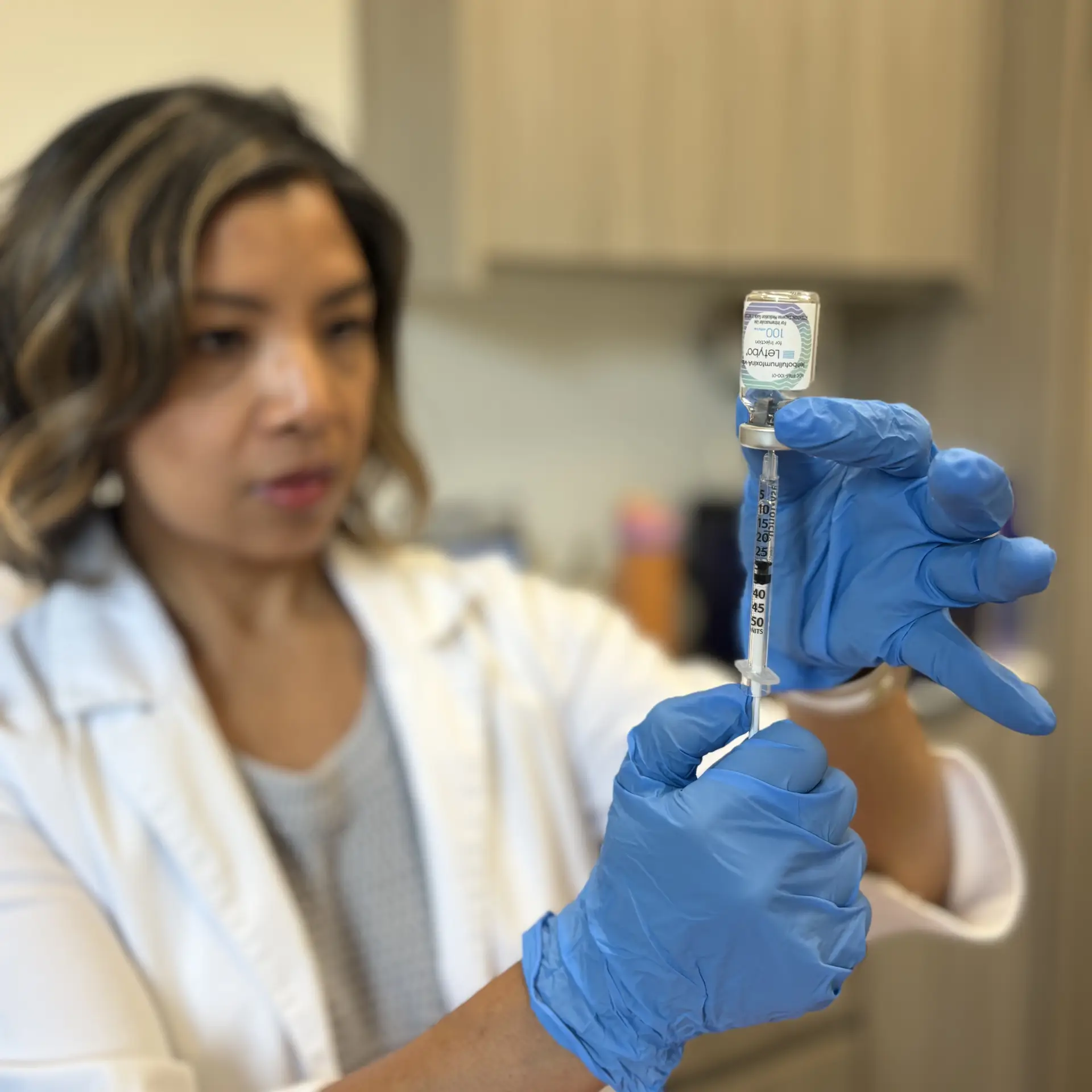
Show up for your botox treatment feeling confident, informed, and ready for a smooth appointment.
2 Weeks Before:
2 Weeks Before:
- Schedule your consult (if not already done) and complete all intake paperwork accurately (meds, allergies, prior cosmetic procedures, and any neuromuscular conditions).
- Review your medication list with the clinic, especially if you take: Blood thinners (including warfarin, apixaban, rivaroxaban, etc.), Antiplatelet meds (including clopidogrel), or Regular NSAIDs (if you use them frequently).
- Plan your timing around major events. If you have an event where you want to look your best, aim to book so you can allow time for onset and settling.
- Avoid starting new supplements without checking first. If you take supplements regularly, confirm which ones are best to pause per your clinician’s guidance.
- Prepare for aftercare logistics. Arrange your work/social schedule so you’re comfortable with mild redness, pinpoint marks, or temporary tenderness.
- Continue your usual skincare routine unless your clinician advises otherwise.
- Start minimizing bleeding/bruising risk factors: Avoid “extra” alcohol and avoid new smoking/vaping increases.
- Try to avoid high-intensity workouts that leave you feeling overly bruised/sore close to treatment.
- Confirm transportation if needed. Most clients can drive themselves, but plan ahead if you feel anxious or sensitive to procedures.
- Make sure you’re reachable. Have your phone and email accessible in case staff needs to contact you for any last-minute checklist items.
- Avoid unnecessary anti-inflammatory use. If you typically take ibuprofen/naproxen, discuss a plan with the clinic.
- Avoid facial treatments that increase irritation (unless your clinician approves), such as strong exfoliants or aggressive resurfacing.
- Hydrate and sleep. Being well-rested can make the appointment and recovery feel easier.
- Avoid alcohol and keep your hydration steady.
- Do a normal skin cleanse only the day before—no scrubs, peels, or new products.
- Get an early night. Aim for restful sleep.
- Arrive with clean skin (no makeup on the areas being treated).
- Wear comfortable clothing that doesn’t require pulling over your head immediately afterward.
- Tell your injector if anything has changed, including: New medications started, Fever/illness, New bruising or bleeding issues, Any allergy flare or concern.
- Avoid scheduling anything strenuous immediately after. Plan for a calmer day (especially avoid heavy sweating/overheating right away).
- Ask the clinician any final questions before treatment so you feel fully comfortable.
After a Botox treatment, most people feel completely normal right away, with mild, temporary effects in the first few days. Follow these to support comfort and help Botox settle properly.
First 24 Hours:
First 24 Hours:
- Keep the treatment area gently mobile (normal facial movement is okay).
- Use a cool compress if you’re sore or bruised (10–15 minutes at a time).
- Stay upright for several hours after treatment if you were able to during your visit.
- Hydrate and stick to your normal routine as tolerated.
- Resume normal activities if you feel comfortable.
- Continue gentle skincare (no aggressive scrubbing).
- Avoid additional heat exposure (see “avoid” section below).
- Assess your results as they continue to build.
- If you’re due for a follow-up/reevaluation, keep that appointment (it helps fine-tune results if needed).
- If you have lingering concerns, contact your clinician rather than waiting until the next treatment cycle.
- Massaging or rubbing the injection areas.
- Intense heat (hot tubs, saunas, steam rooms).
- Heavy workouts that raise body temperature quickly.
- Facial treatments that involve strong manipulation (deep scrubs, aggressive massage).
- Hot yoga / high-intensity training (especially if you bruise easily).
- Sauna/steam/very hot baths.
- Waxing, aggressive exfoliation, or chemical peels over the injection areas until your skin is fully calm.
- Nonessential facial massage/beauty device directly over treated zones.
- Blood-thinning supplement, unless your clinician has advised you otherwise (especially those not already cleared for you).
Common Mild Side Effects (Usually start within 24–72 hours and resolve on their own):
- Soreness or tenderness at injection sites.
- Bruising or tender bumps where needles were placed.
- Mild swelling around treated areas.
- Redness or slight irritation at injection points.
- Headache (sometimes from stress/tension).
- Temporary tightness or mild heaviness in the treated area.
- Mild asymmetry while the muscles adjust (often balances out as it settles).
- Botox onset timeline: effects usually begin within 3-5 days and continue improving over 2 weeks.
- Breathing/swallowing/speaking trouble.
- Vision changes.
- Rapidly worsening weakness away from the treated area.
- Severe headache that won’t ease or is getting worse.
- Signs of infection at injection sites (worsening redness/warmth, pus, increasing pain).
PRP (Platelet-Rich Plasma)
PRP for hair uses growth factors made from your own blood to support recovery and rejuvenate weakened, dormant hair follicles. During treatment, concentrated platelets are prepared and injected into the scalp, where they help enhance blood supply to the follicles and extend the hair growth phase of the hair cycle.
For best results, we recommend a structured plan that starts with a series of treatments and then moves into ongoing maintenance.
- Initial phase: 3-4 sessions spaced about 4 to 6 weeks apart.
- Maintenance phase: 1 session every 4 to 6 months based on your response and hair goals.
This phased approach provides repeated follicle stimulation over time, which supports long-term improvement.
- Early changes (2-3 months): Less shedding and subtle thickening of existing hair may be noticeable.
- Visible growth (3-6 months): New “baby hairs” can begin to appear, with gradual improvements in intensity.
- Ongoing results (6-12 months): With continued sessions and maintenance, hair typically looks fuller, stronger, and more resilient.
PRP works best for men and women who are seeing early thinning or mild to moderate hair loss. Results may be limited in cases of advanced balding, when follicles have become inactive. During your consultation, our team reviews your scalp condition, medical history and hair goals to determine if this treatment is right for you.
RF Microneedling (Proteus-V, Thermagia)
While both use radiofrequency energy, Proteus-V is exceptionally effective at targeted, deeper dermal remodeling (excellent for acne scars and pore reduction). Thermagia is highly renowned for its skin-tightening properties, promoting extensive collagen synthesis for an overall anti-aging effect.
Aftercare is similar to traditional microneedling: keep the area clean, deeply hydrated, and strictly protected from the sun. Avoid active ingredients like retinols and exfoliants for at least 5-7 days while the skin heals.
Skin Boosters (Mesotherapy, Rejuran, etc.)
Rejuran utilizes polynucleotides (derived from salmon DNA) for deep tissue repair and anti-inflammatory benefits. Mesotherapy (like our Vitamin or Bright Skin boosters) uses customized cocktails of hyaluronic acid, vitamins, and peptides tailored specifically for hydration and brightening.
Avoid intense heat (saunas, hot yoga), vigorous exercise, and applying makeup for at least 24 hours. Do not massage the treated areas unless instructed by your provider.
You will often notice an immediate 'glow' and hydration boost within a few days. However, progressive improvements in skin elasticity and texture continue to develop over 2 to 4 weeks as cellular turnover is stimulated.
Didn't find your question in the list? Call us today!